

7 Common Grading Mistakes That Ruin a Building Pad
A building pad might look simple. Move dirt, level it out, and you’re ready to build. But experienced contractors know the truth: small grading mistakes can cause major problems later.
Uneven settlement, drainage issues, cracked slabs, and paving failures often trace back to mistakes made during site preparation. Once concrete or asphalt goes down, fixing those issues becomes expensive and time-consuming.
Here are seven of the most common grading mistakes contractors encounter when preparing building pads and how to avoid them.
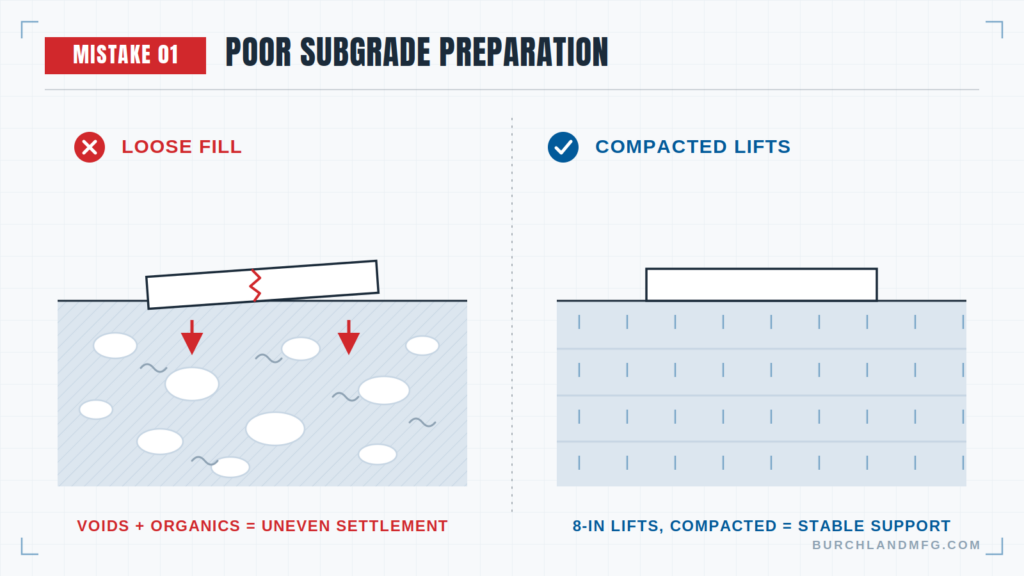
1. Poor Subgrade Preparation
One of the most common grading mistakes happens before finish grading even begins. If the subgrade isn’t properly prepared, the building pad will settle unevenly over time.
Common subgrade issues include:
- Loose or uncompacted soil
- Organic material left in the soil
- Soft spots that were not corrected
- Inconsistent moisture content
Even a perfectly graded surface won’t hold up if the underlying soil structure is unstable. Best practice:
Remove unsuitable soils, ensure proper moisture levels, and compact the subgrade before finish grading begins.
2. Inaccurate Grade Control
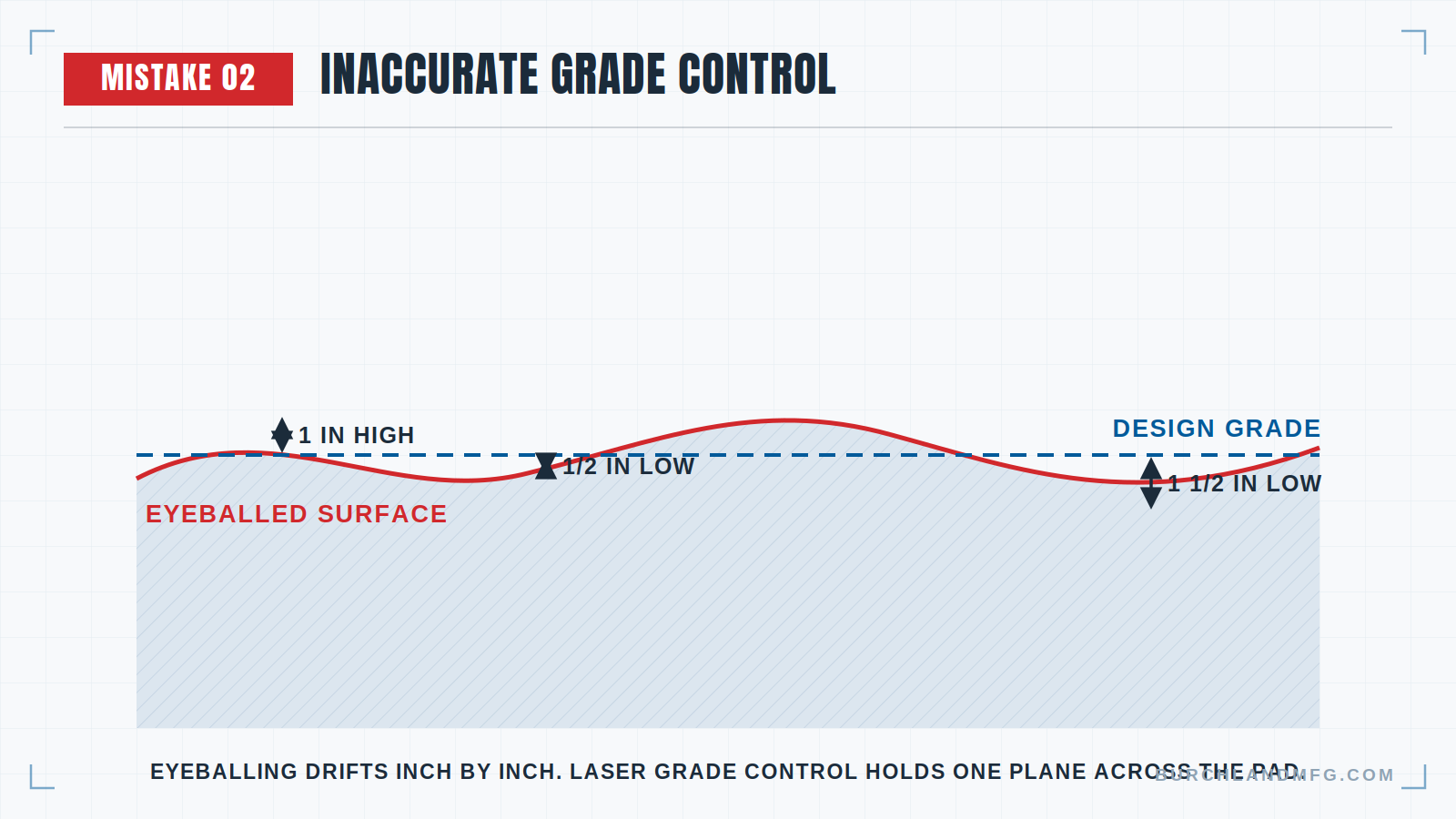
Without proper grade control, operators often rely on visual judgment or stakes alone. This frequently leads to:
- uneven elevations
- inconsistent slopes
- incorrect pad heights
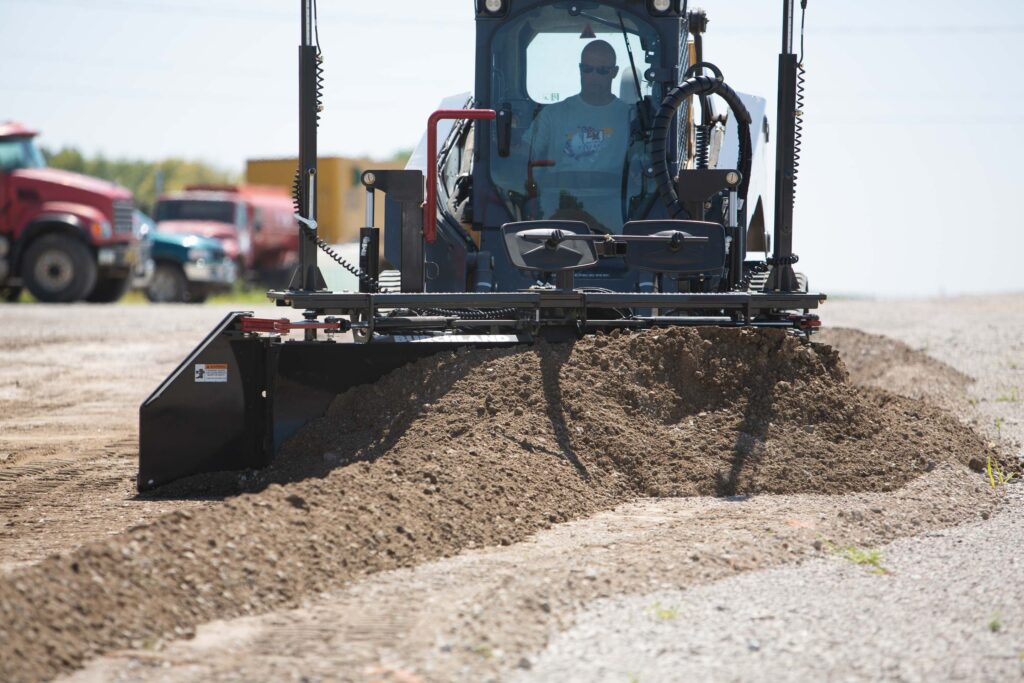
Even a one-inch error across a large building pad can create serious problems for concrete crews. Many contractors now rely on laser grade control systems to maintain precise elevations across the entire site. These systems allow operators to maintain consistent grades without constant manual checks.
3. Over-Cutting the Pad
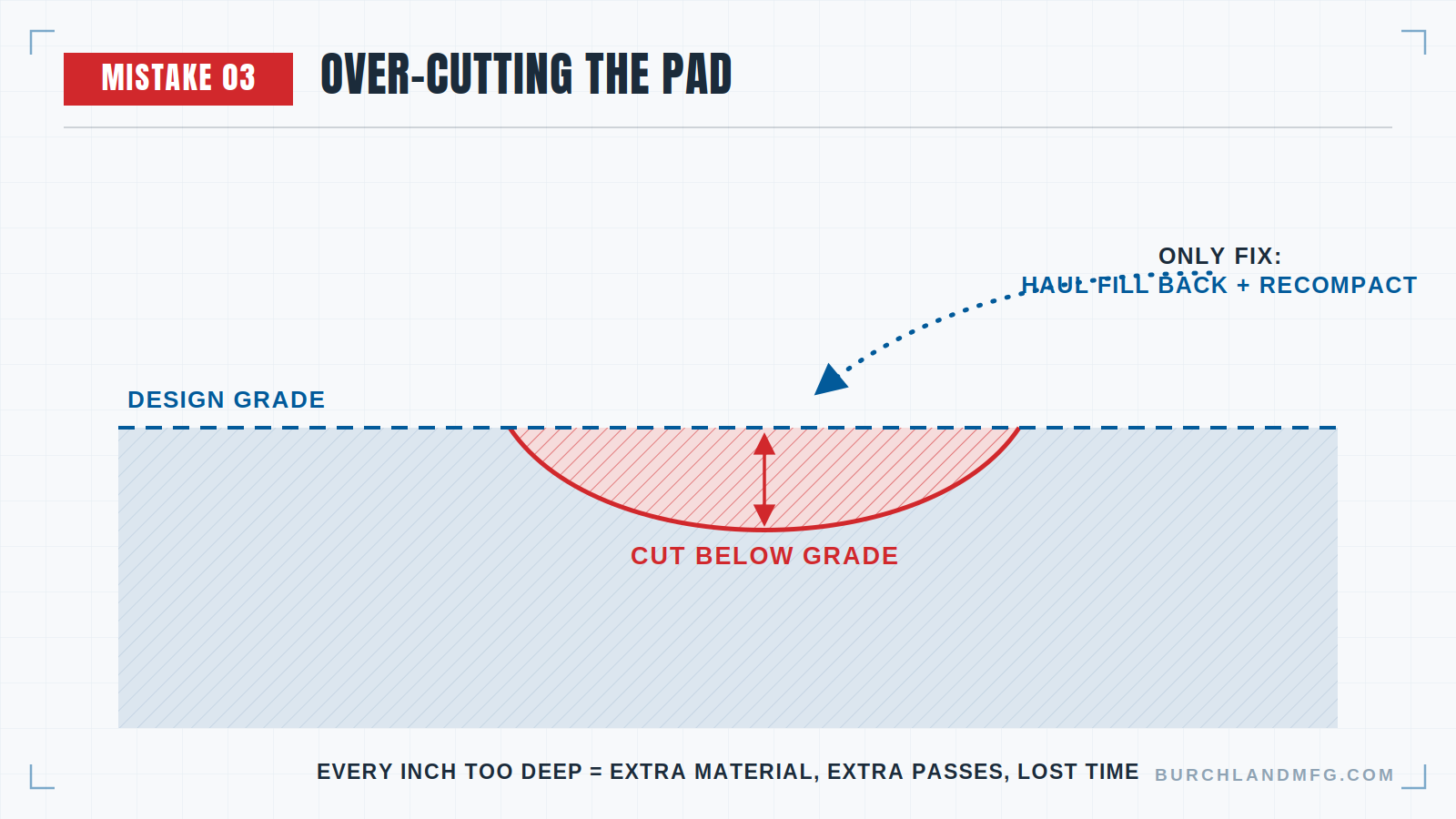
Another common grading error is cutting too deep during grading passes.
Over-cutting creates several issues:
- extra material required to rebuild grade
- inconsistent compaction layers
- wasted labor and machine time
Once soil is removed beyond design grade, the only fix is bringing material back in and recompacting, which slows down the entire job.
Tip: Work gradually toward final grade instead of trying to achieve finish grade in one pass.
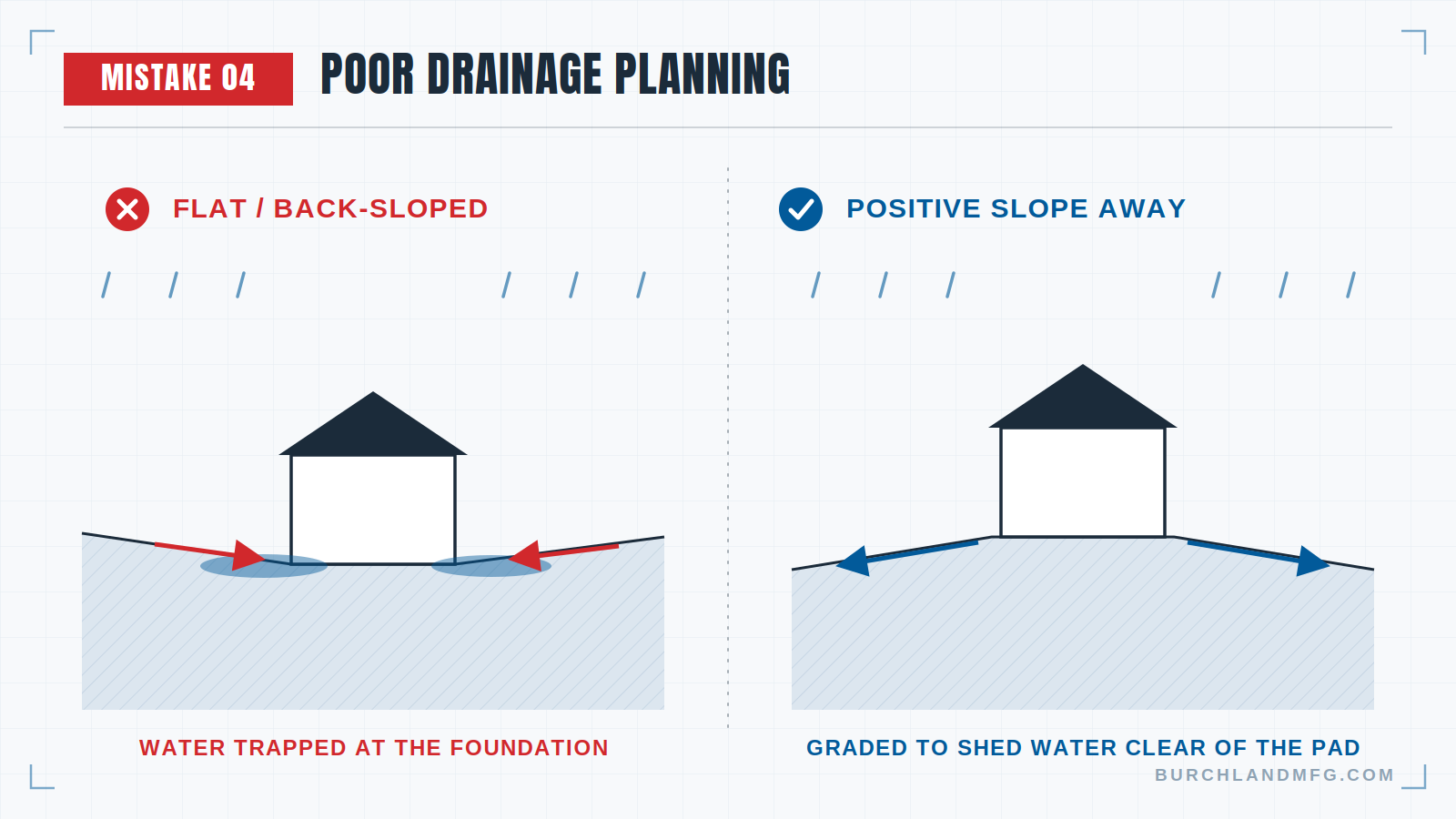
4. Poor Drainage Planning
Drainage problems often begin with grading mistakes.
A building pad that doesn’t properly shed water can lead to:
- erosion around the structure
- standing water near foundations
- long-term structural damage
Pads should always be graded with intentional slope and drainage paths to move water away from the structure. Even small grading errors can trap water if slopes are incorrect.
5. Skipping Finish Grading Precision
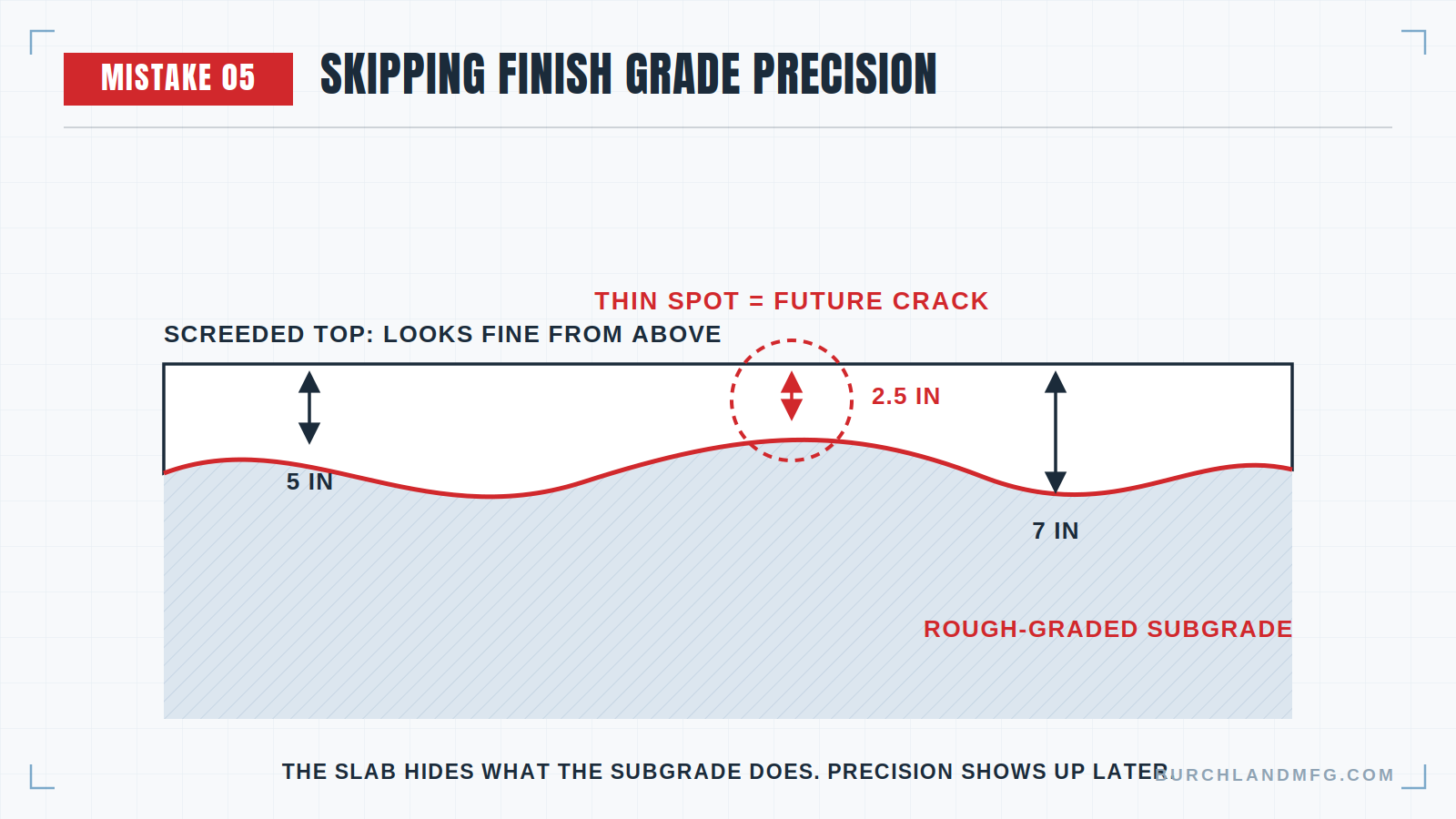
Some crews rush through finish grading once the site appears mostly level. However, finish grading is where precision matters most.
Without proper finish grading:
- concrete crews struggle to maintain slab thickness
- asphalt surfaces develop low spots
- surface drainage becomes inconsistent
Precision grading equipment allows contractors to achieve consistent elevations across the entire pad, reducing downstream problems.
6. Ignoring Soil Compaction During Grading
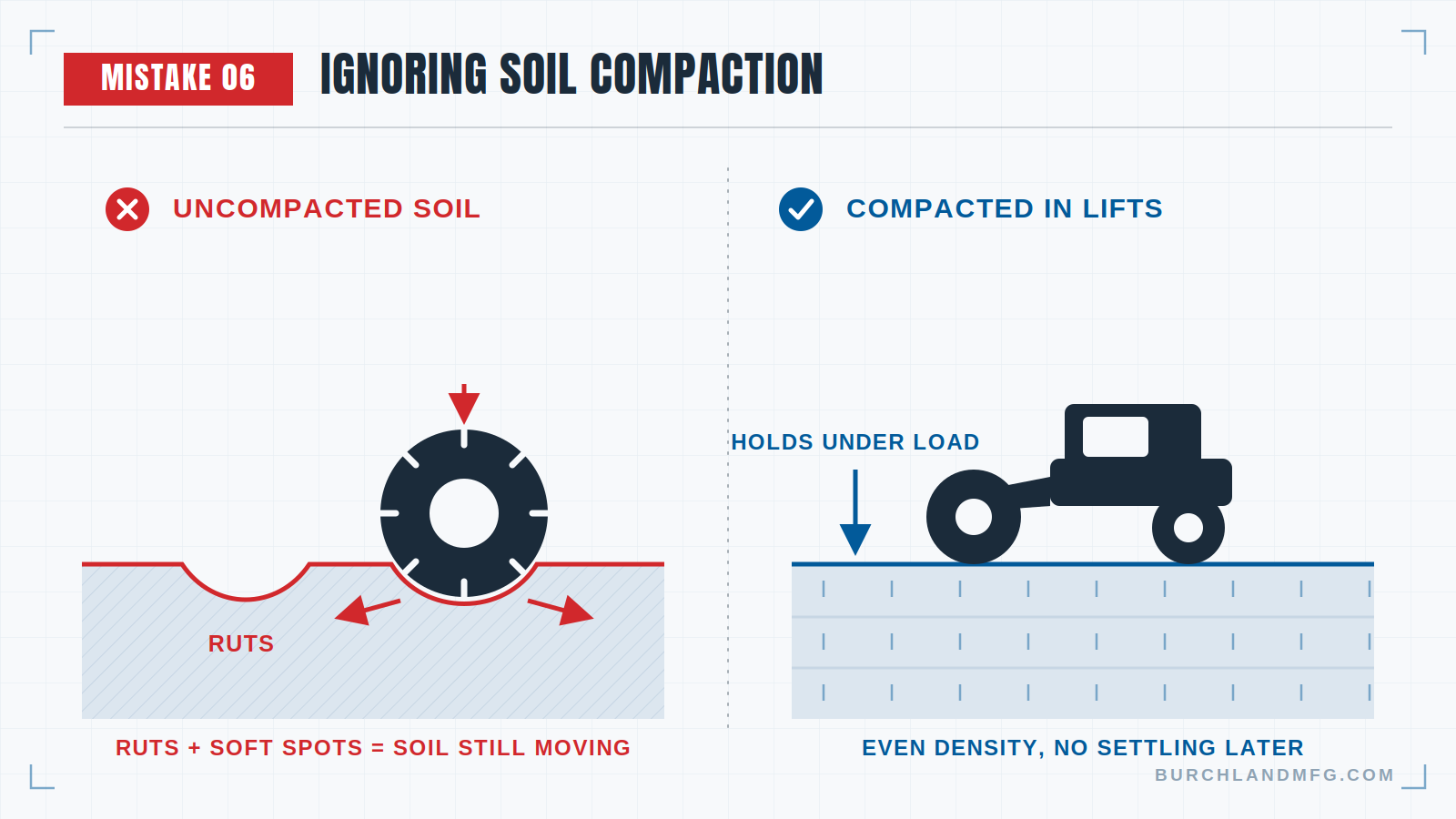
Grading and compaction should work together. When compaction is skipped between grading steps, problems appear later as the soil settles under load.
Signs of poor compaction include:
- visible tire ruts
- soft areas in the pad
- inconsistent density across the site
Proper compaction ensures the graded surface maintains its shape under structural loads.
7. Using the Wrong Equipment for Finish Grading
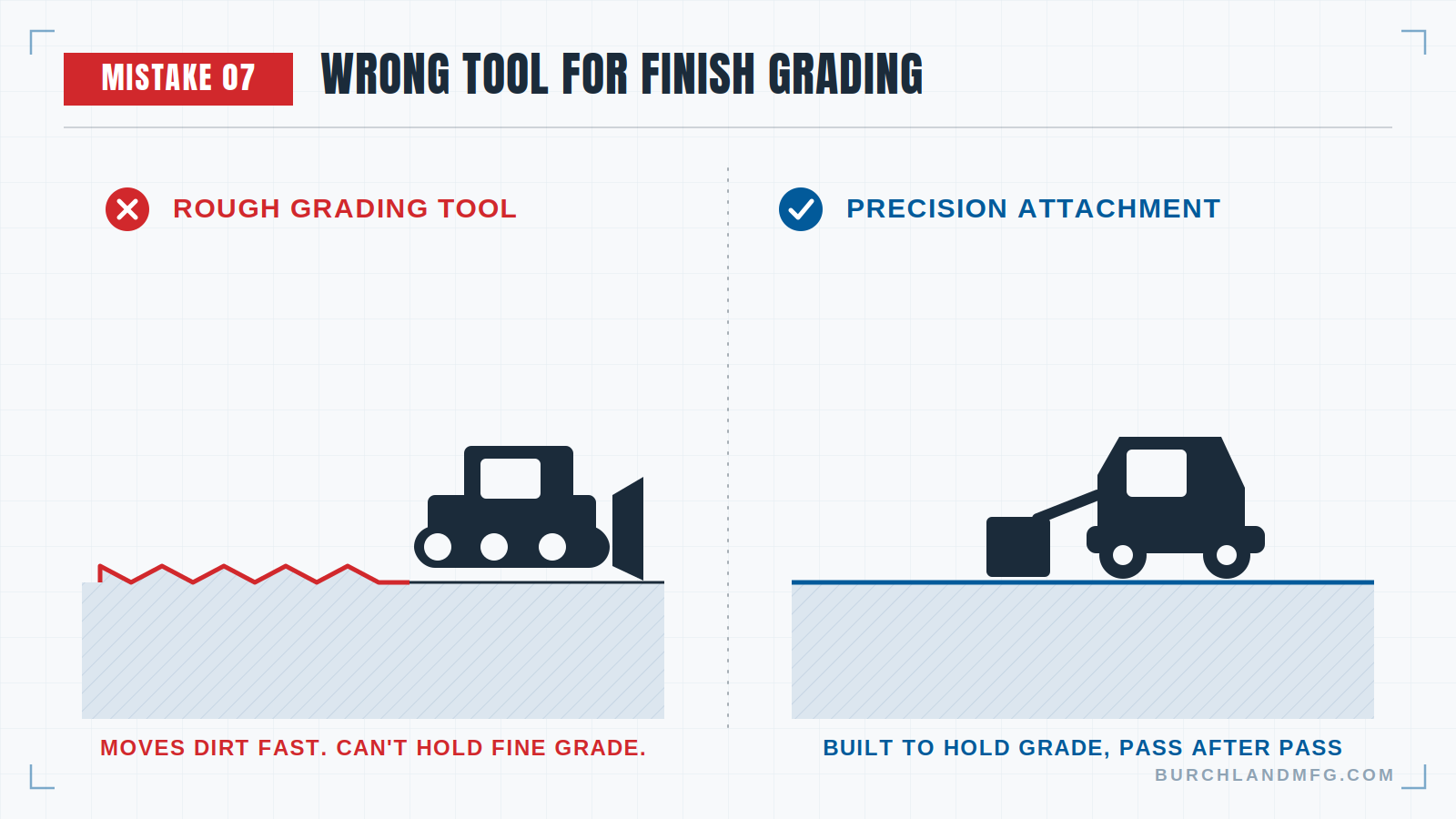
Many grading problems come down to using equipment designed for rough grading instead of precision grading.
For example:
- dozers are excellent for moving material
- skid steers are versatile for tight sites
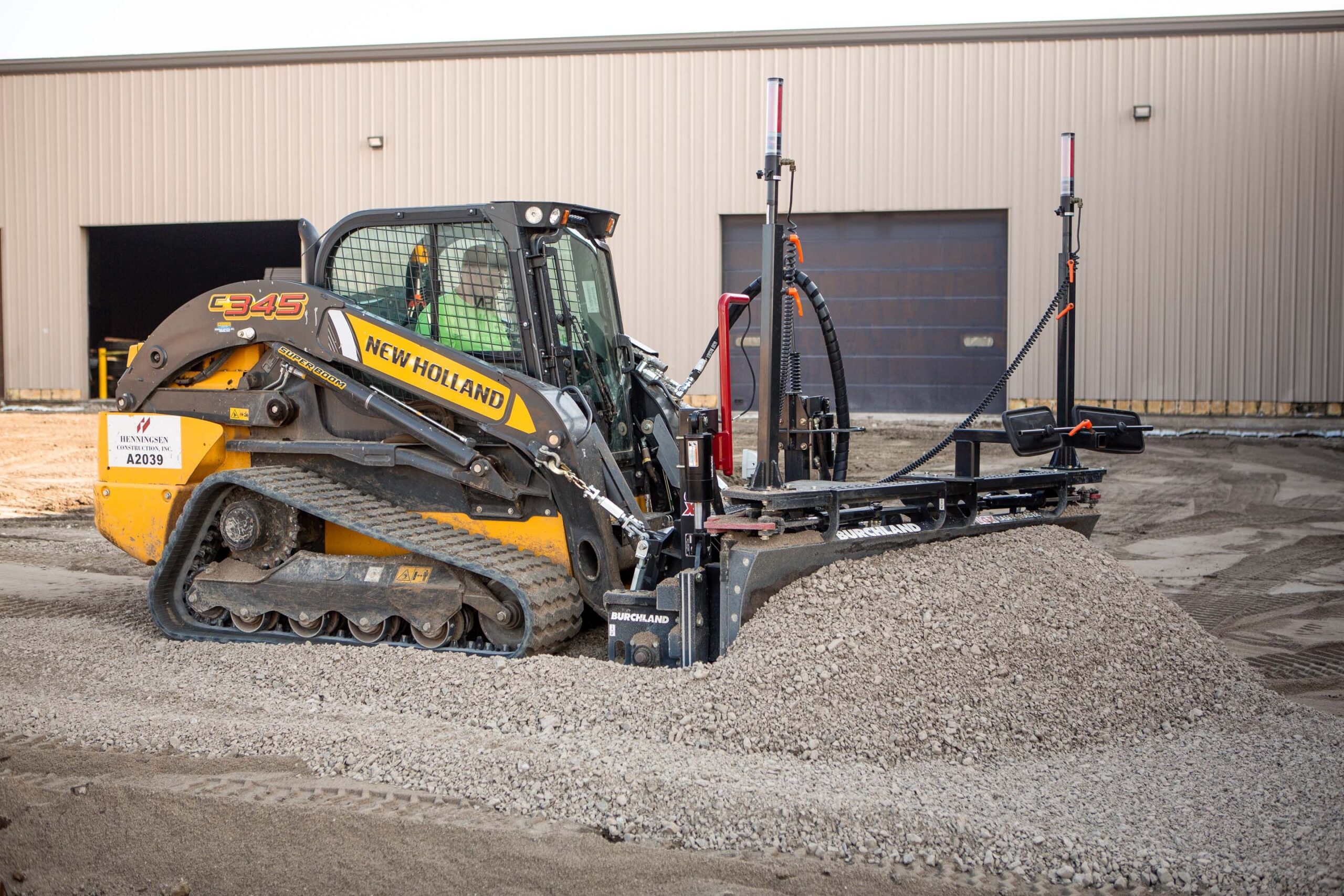
- specialized grading attachments allow precise finish grading
Choosing the right tool helps operators achieve consistent grade without repeated passes or manual correction.
Why Avoiding Grading Mistakes Matters
Grading mistakes rarely show up immediately. But over time they can lead to:
- cracked concrete slabs
- drainage problems
- uneven pavement surfaces
- structural settlement
Correcting these issues after construction often costs far more than doing the grading correctly the first time. For contractors, proper site preparation protects both the project and their reputation
Frequently Asked Questions
We understand you may have questions about our equipment. We are here to provide you with quick and easy answers to the most common inquiries about our products, services, ordering, and more.
What is the most common grading mistake on building pads?
The most common grading mistake is poor subgrade preparation. If the soil beneath the pad is not properly compacted or stabilized, the building pad can settle unevenly over time.
How accurate does building pad grading need to be?
Most building pads require tight elevation tolerances, often within about one inch across the site depending on project specifications. Precise grading ensures proper drainage and consistent slab thickness.
What causes building pads to settle?
Building pads typically settle due to poor compaction, weak soils, or improper subgrade preparation. Organic materials or loose soil left beneath the pad can compress under load.
Why is finish grading important?
Finish grading creates the final elevations and slopes required for construction. Without precise finish grading, drainage problems and structural issues may develop later.
Ready to take your grading precision to the next level?
Explore Burchland’s line of grading attachments and discover how tools like the LGX Laser Grader and AGT Soil Trimmer can help you finish faster — and finish right.
Get a quote on the best skid steer attachments.

Or give us a call at